

Beginner’s Guide to Silver Classes in Uluwatu
Uluwatu is widely known for its stunning cliffs, ocean views, and rich artistic culture. Among its many creative experiences, the uluwatu silver class stands out as one of the most inspiring workshops for anyone eager to explore the world of jewelry making. Whether you’re a curious traveler, a beginner with zero experience, or someone looking for a meaningful hands-on activity in Bali, silver classes in this region offer something truly special.
Guided by skilled Balinese artisans, these workshops blend traditional craftsmanship with modern creativity. Participants not only learn how to design and forge jewelry but also discover the deeper cultural meaning behind the art of silversmithing in Bali. This guide will cover the essentials every beginner needs to know—from basic skills to safety practices and recommended materials—so you can confidently join your first silver class in Uluwatu.
Let’s dive into the complete experience and help you decide whether this creative journey is right for you.
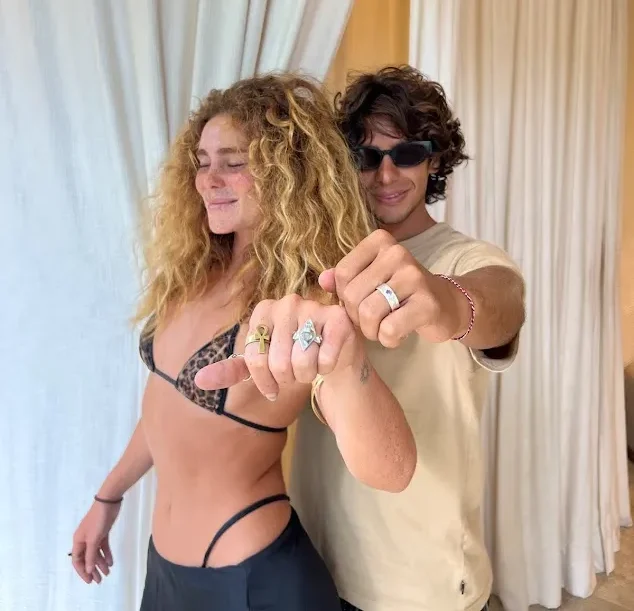
What Makes an Uluwatu Silver Class Special?
The appeal of a uluwatu silver class lies in its immersive, fully hands-on learning approach. Classes are typically held in intimate workshops surrounded by natural landscapes, creating the perfect environment for creative expression. Instructors are experienced local silversmiths who have preserved this art form for generations.
Unlike generic craft workshops, silver classes in Uluwatu focus on both technique and storytelling. You don’t just learn how to shape metal—you learn why the designs matter and how they reflect Balinese culture. This combination of skill-building and cultural immersion makes the experience deeply memorable, especially for beginners seeking authenticity.
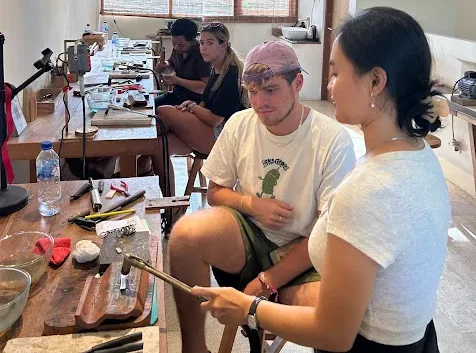
What to Expect as a First-Time Participant
Before attending, many beginners wonder whether the process might be too difficult or technical. The good news is that silver class for beginners Uluwatu programs are intentionally structured to be friendly and accessible. You will be guided step-by-step through every stage, from sketching your idea to polishing the final piece.
Most workshops take 2–3 hours and include:
-
A quick introduction to tools and materials
-
Demonstrations by artisans
-
Hands-on shaping, heating, and forging
-
Final adjustments, cleaning, and polishing
-
A beautiful piece of jewelry to take home
These classes welcome participants of all ages and skill levels, making them a great option for families, couples, or solo travelers.
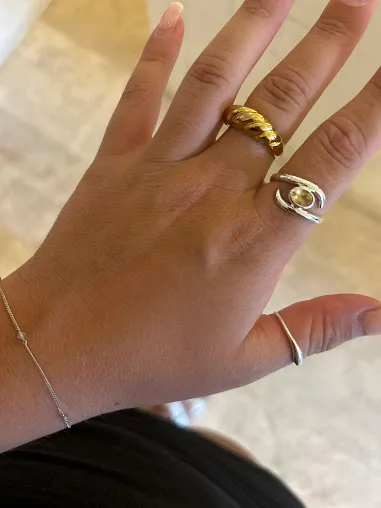
Why Silver Workshops Are Perfect for Beginners
Beginners often feel intimidated when trying a new craft, but silver workshops in Uluwatu are designed with simplicity and comfort in mind. You’ll receive individual guidance, and instructors are always ready to answer questions or step in to assist with challenging parts of the process. The goal is not perfection but enjoyment and creativity.
What makes these workshops even more appealing is the personal connection you build with your creation. Instead of buying jewelry from a market, you craft your own piece using authentic Balinese methods. This level of personalization transforms your souvenir into something meaningful and unforgettable.
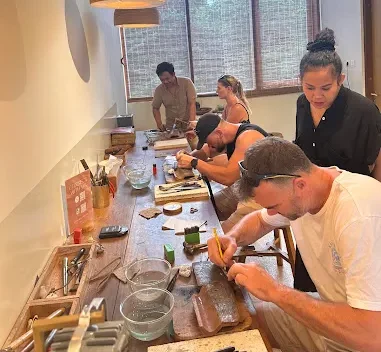
The Ideal Environment for Learning
The location of Uluwatu itself contributes to the unique atmosphere of the workshop. Many studios are nestled among lush greenery, quiet villages, or serene artistic spaces. The sound of nature and the peaceful environment encourage focus and creativity, helping beginners feel relaxed even when working with unfamiliar tools.
You’ll feel a sense of accomplishment as you shape your first silver ring, pendant, or bracelet, especially as you learn each step alongside supportive artisans who genuinely enjoy sharing their craft.
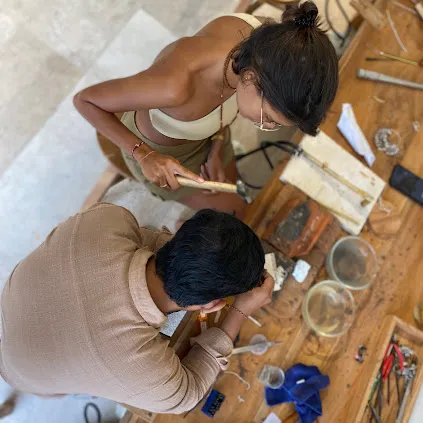
Basic Skills Every Beginner Learns in an Uluwatu Silver Class
When joining an uluwatu silver class, you’ll learn several foundational skills used by real silversmiths. These techniques are simplified for beginners but still rooted in traditional artistry.
1. Sketching & Designing Your Jewelry
Every piece starts with a concept. Beginners are taught how to sketch simple designs that reflect their personal style. The instructor will help refine the design so that it’s feasible to craft within the workshop time.
2. Cutting & Shaping Silver
You’ll use real silversmith tools to cut small pieces of silver sheet or wire. This hands-on stage is exciting because you begin to see your design come to life.
3. Filing & Smoothing
This step involves shaping edges and ensuring the piece has clean lines. It’s a meditative part of the process that helps beginners understand precision.
4. Soldering
With guidance, you’ll learn the basics of heating silver to connect parts together. This is a core silversmith technique simplified for beginners.
5. Polishing
You’ll finish your piece by smoothing the surface and adding shine using professional polishing tools.
In just a single session, beginners walk away with skills that form the foundation of traditional jewelry making.
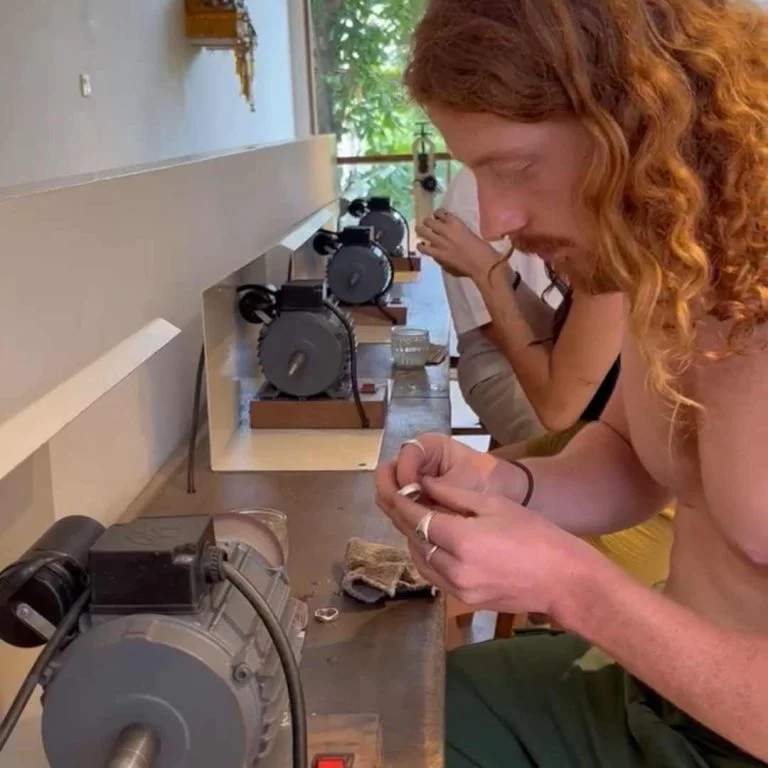
Safety Tips for First-Time Jewelry Makers
Even though workshops are beginner-friendly, safety is a crucial part of any silver class for beginners Uluwatu. Instructors prioritize a safe environment, especially when working with tools and heat.
Essential Safety Guidelines:
-
Wear safety gear: Gloves and protective glasses are usually provided.
-
Follow instructor directions: Especially during soldering, where heat is involved.
-
Avoid loose clothing: This prevents accidents with tools and machinery.
-
Mind your workspace: Keeping tools organized reduces risk.
Every workshop takes safety seriously, and instructors will always ensure you are comfortable and confident before proceeding with any task. This supportive approach helps beginners feel secure throughout the entire experience.
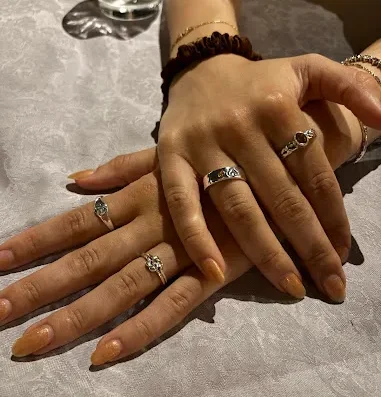
Materials Used in Uluwatu Silver Classes
One thing that makes silver workshops in Uluwatu truly unique is the use of high-quality materials that are carefully selected for both durability and ease of handling.
Common Materials You Will Use:
-
Sterling silver (92.5% purity) – soft enough for beginners yet durable
-
Silver wire – ideal for rings and small decorative elements
-
Silver sheets – used for pendants and more detailed designs
-
Gemstones (optional) – some workshops allow adding small stones
-
Basic tools – pliers, files, hammers, cutters, and polishing machines
Workshops typically provide all tools and materials as part of the class fee, which means you don’t have to bring anything. This convenience is especially great for travelers who want a simple, stress-free experience.
Choosing the Best Uluwatu Silver Class as a Beginner
Not all workshops are the same, so it’s helpful to choose one that aligns with your goals and comfort level. Here are some things to consider:
Checklist for Choosing the Right Class:
-
Beginner-friendly environment
-
Experienced local instructors
-
Clear explanations & demonstrations
-
Small group size for personalized guidance
-
Availability of quality sterling silver
-
Positive reviews from previous participants
-
Convenient location in Uluwatu or nearby areas
Taking a few minutes to compare options ensures you get the best learning experience and feel confident during the process.
Why Uluwatu Is the Perfect Place for a Silver Class
While Bali has many silver workshops, Uluwatu has a special charm that attracts creative travelers. The area’s natural beauty, cultural richness, and peaceful atmosphere make it an ideal location for artistic exploration.
This is especially true for beginners who want to learn in an inspiring environment. The combination of authentic Balinese tradition and serene surroundings creates a learning experience that is truly unmatched.
How to Prepare for Your First Silver Workshop
Before joining your uluwatu silver class, consider these quick preparation tips to make the most of your session:
-
Wear comfortable, non-flowy clothing.
-
Bring a small design idea or inspiration image (optional).
-
Eat beforehand—workshops often last 2–3 hours.
-
Arrive early for a relaxed start.
-
Stay open-minded and enjoy the process!
Beginners often say that the class feels surprisingly easy once they get started, especially with the support of patient instructors.
What You Take Home After the Workshop
The best part of joining a silver workshop is walking away with something you designed and crafted by hand. Most participants create:
-
Rings
-
Pendants
-
Bracelets
-
Simple earrings
Along with your jewelry piece, you also take home:
-
New creative skills
-
Knowledge of Balinese silversmith techniques
-
A deeper appreciation for local craftsmanship
-
Memorable stories and experiences
For many beginners, the jewelry becomes a cherished reminder of their time in Bali.
Is a Silver Class Worth It for Beginners?
Absolutely. A silver class for beginners Uluwatu is not just an activity—it’s a cultural and creative journey. It offers you the chance to explore craftsmanship, connect with local artisans, and create something meaningful with your own hands.
Even if you’ve never crafted anything before, these workshops make the process engaging, educational, and enjoyable. And with guidance available at every step, beginners feel supported from start to finish.
Final Thoughts
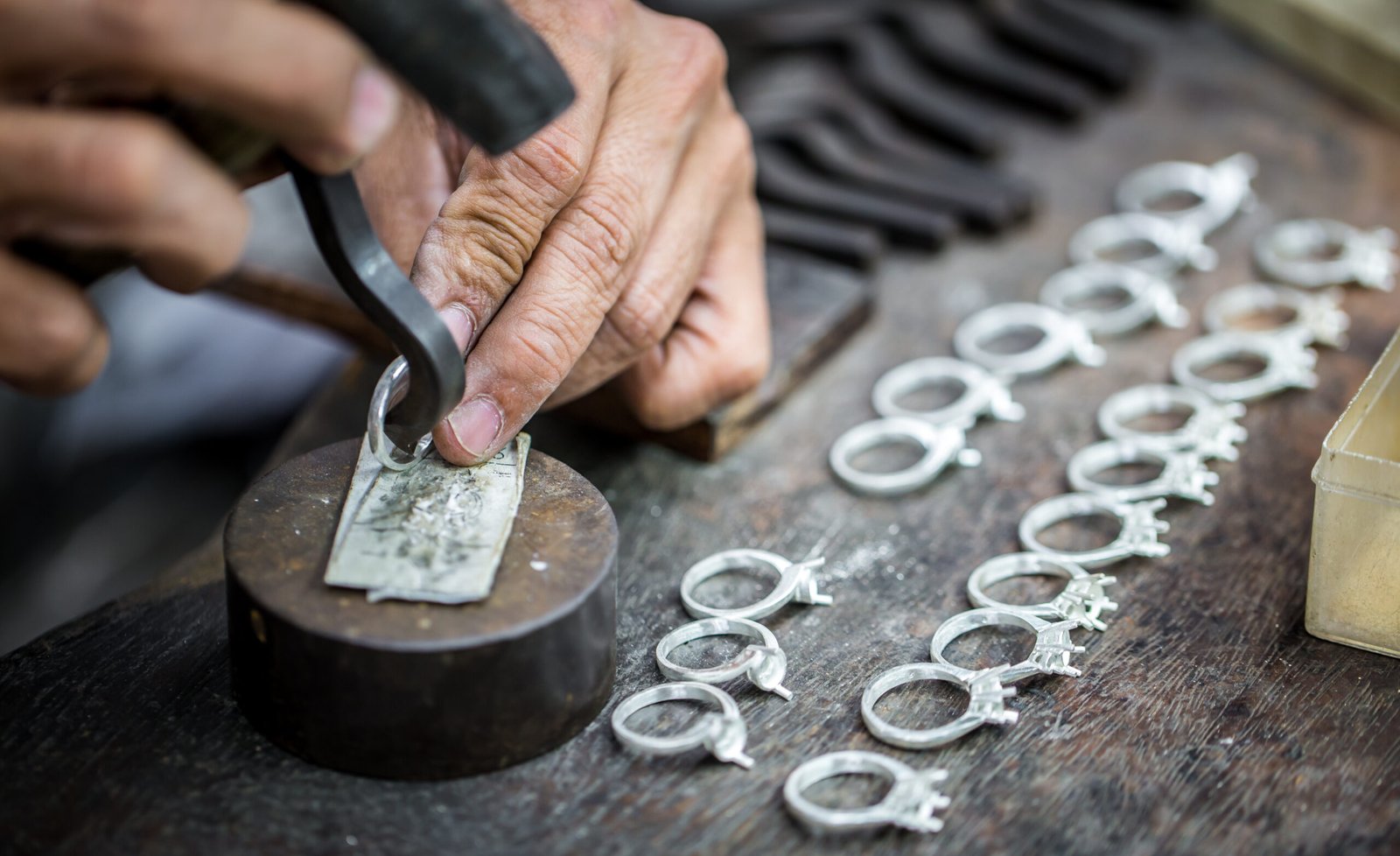
Joining an uluwatu silver class is one of the most rewarding creative experiences you can enjoy in Bali. From learning basic techniques to crafting your very first jewelry piece, the process is immersive, relaxing, and deeply satisfying.
Whether you’re looking for a new hobby, a unique travel activity, or a meaningful souvenir, this beginner-friendly workshop offers a perfect blend of culture, creativity, and craftsmanship.
If you’re ready to unlock your artistic potential, Uluwatu is the perfect place to begin.
read more: https://binginsilverclass.com/uluwatu-silver-class-workshop/