

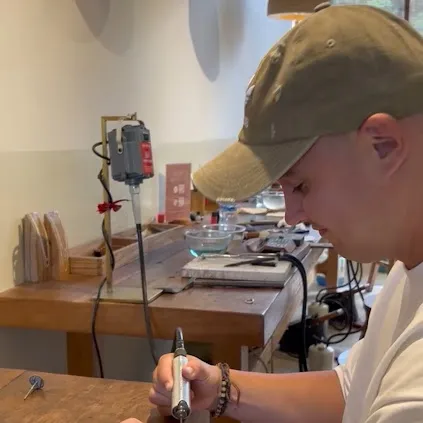
Joining an Uluwatu silver class has become one of the most meaningful experiences for travelers searching for a cultural, hands-on activity in Bali. Whether you’re exploring the cliffs of Uluwatu or staying near Bingin Beach, a silver workshop offers a creative escape where you can learn authentic Balinese craftsmanship guided by skilled local artisans. Since many visitors want the ideal workshop experience, the big question is: When is the best time to join an Uluwatu silver class?
Bingin Silver Class welcomes learners of all levels. The atelier blends traditional tools with modern creativity, giving every participant the chance to create a personal piece of jewelry. Choosing the right timing ensures your session feels comfortable, enjoyable, and memorable. Understanding the local weather, crowd levels, and booking strategies will help you plan the perfect moment for your Uluwatu silver class.
Weather Considerations for Your Uluwatu Silver Class
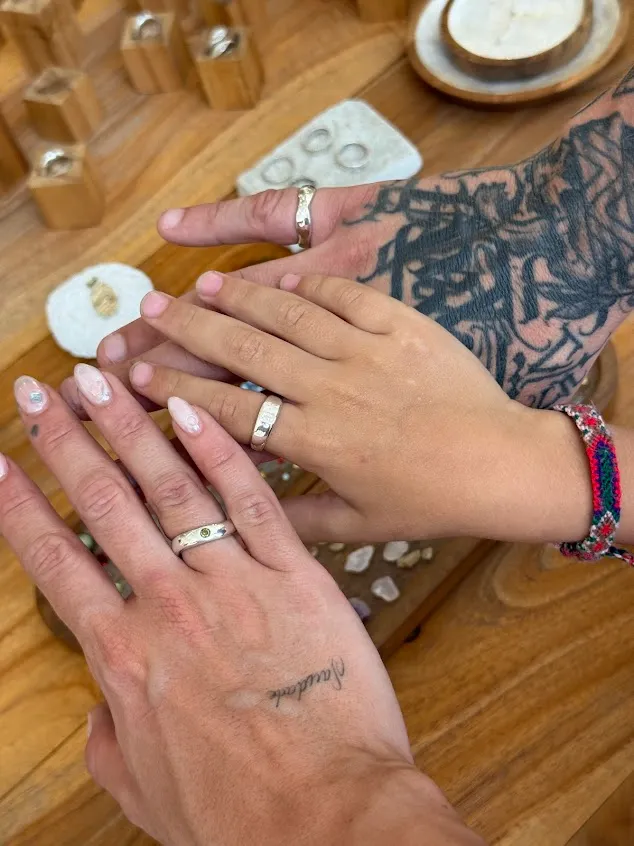
Weather plays a major role in shaping the overall atmosphere of an Uluwatu silver class, even though workshops are held indoors. Most travelers prefer the dry season—from May to September—because the skies are clearer, humidity is lower, and the air feels more pleasant. These months are ideal if you want to enjoy beach time before or after the class, making the day more fulfilling. Many visitors describe the dry season as the most comfortable period to fully immerse themselves in the jewelry-making process.
Meanwhile, Bali’s rainy season lasts from November to March. Rain showers are common but often short, creating a cozy environment inside the studio. Some travelers actually enjoy taking an Uluwatu silver class during this season because the ambiance feels calmer. The sound of light rain paired with crafting jewelry adds a peaceful, meditative vibe. Just keep in mind that travel times may be slightly affected by weather conditions, so planning ahead is helpful.
Crowd Levels & Class Availability
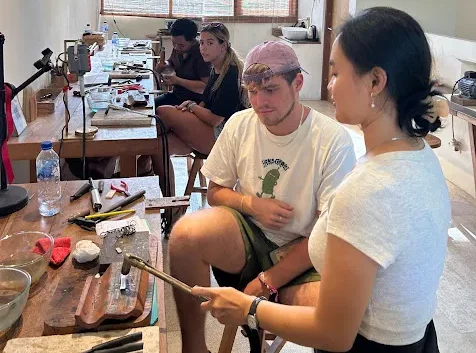
Crowd levels can significantly influence the atmosphere of your Uluwatu silver class. During the peak tourism season—June, July, August, and late December—demand for workshops increases sharply. Many classes fill up quickly because Uluwatu attracts a large mix of international visitors eager to try cultural activities. If you enjoy energetic group sessions where you can meet new people and learn alongside fellow travelers, peak season might be the perfect fit.
If you prefer a quieter and more personalized learning experience, the shoulder seasons—April to early June and September to October—offer smaller class sizes and more relaxed surroundings. This period is ideal for travelers who want extra focus from instructors while crafting their jewelry. The rainy season also tends to be less crowded, making it a great time to enjoy a more intimate Uluwatu silver class with plenty of individual guidance.
Smart Booking Tips for a Smooth Experience
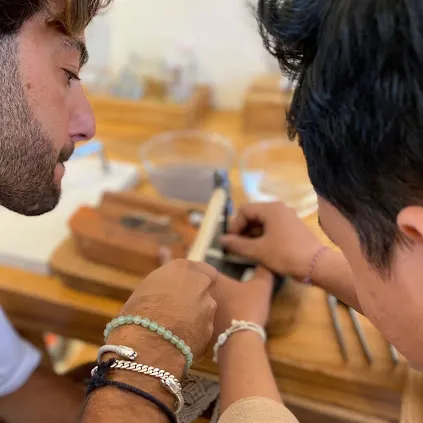
Choosing the best moment for your Uluwatu silver class isn’t just about seasons—it’s also about booking smart. If you’re planning to visit during peak tourism months, securing your spot 3–5 days in advance is highly recommended. Workshops fill up rapidly, especially morning and late-afternoon sessions that align perfectly with sightseeing schedules. Booking early ensures you get the time slot that works best for your itinerary.
Outside of peak season, last-minute bookings are usually possible. Still, it’s a good idea to check availability a day in advance, especially if you're traveling with friends or family. Many visitors prefer early-morning classes because the weather is cooler, making the short trip to the atelier more comfortable. If you enjoy a slower pace, late-afternoon sessions offer a relaxing transition into sunset activities around Bingin or Uluwatu.
Why Timing Enhances Your Jewelry-Making Experience
The timing of your Uluwatu silver class directly affects the quality of your experience—from comfort to personal focus. Cooler months allow you to craft comfortably, while quieter seasons provide more one-on-one interaction with Balinese artisans. For many travelers, the workshop becomes a meaningful memory tied to a specific moment of their Bali journey. The jewelry piece they create—whether a ring, pendant, or bracelet—often becomes a cherished reminder of that experience.
Matching your workshop with Uluwatu’s natural surroundings also adds emotional value. Taking a class during dry season allows you to explore beaches and cliffs before or after crafting. Meanwhile, the rainy season creates a tranquil vibe that makes the creative process feel even more heartfelt. Every season brings something unique; the key is choosing the timing that aligns with your travel style and expectations for your Uluwatu silver class.
Ready to Plan Your Uluwatu Silver Class?
Now that you understand how weather patterns, crowds, and booking strategies shape the experience, which season feels right for you? Whether you prefer lively group sessions or a peaceful artistic retreat, choosing the best time helps you make the most of your Uluwatu silver class. No matter when you join, you’ll leave with handcrafted jewelry, meaningful memories, and a deeper appreciation for the timeless art of Balinese silversmithing.
Learn More About Bingin Silver Class Uluwatu